

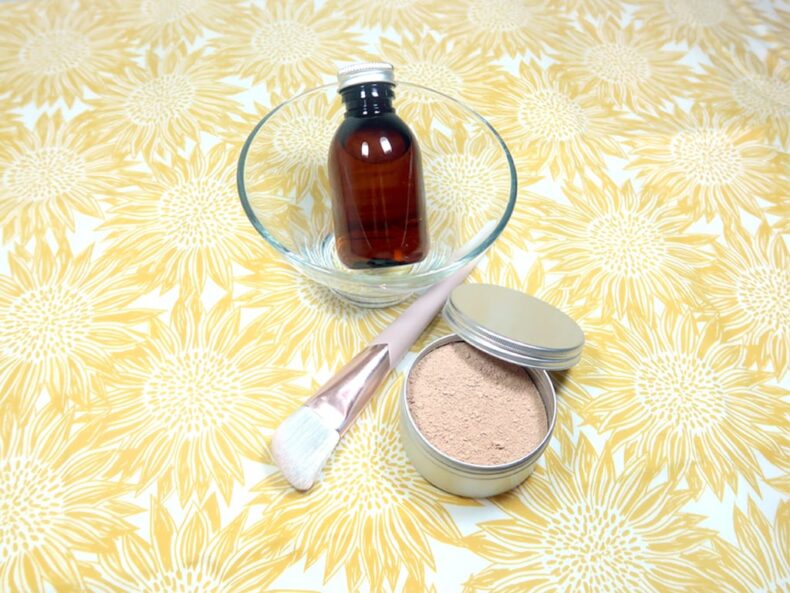
This is one of the best face mask recipe I have ever made. It is packed with nourishing ingredients that leave your skin feeling soft, smooth, and rejuvenated from within.
After plenty of research and testing, I have carefully chosen each ingredient for its specific benefits. The real stars of this mask are two high-performance clays combined with allantoin powder, which work together to cleanse, renew, and refresh the skin on a cellular level.
One of my favorite things about this recipe is that it turns skincare into a ritual. I often invite my girlfriends over for an evening of wine and face masks, it is fun, relaxing, and the results speak for themselves. Treatments like this are not just good for your skin, they are a lovely way to unwind and take care of yourself.
Quick DIY Videos
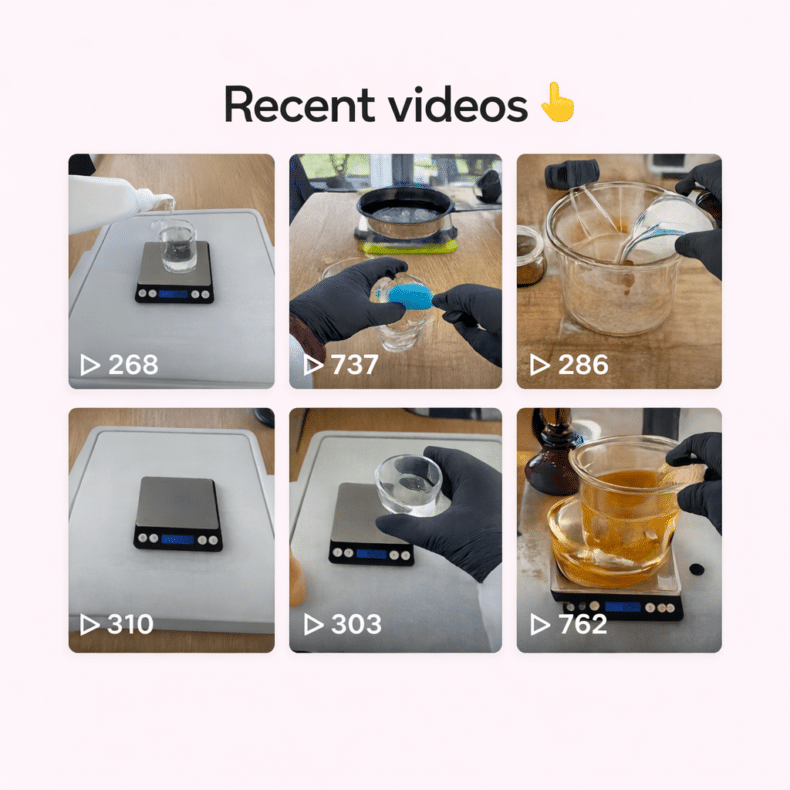
I’ve started sharing short, easy DIY videos like this on TikTok. 👇
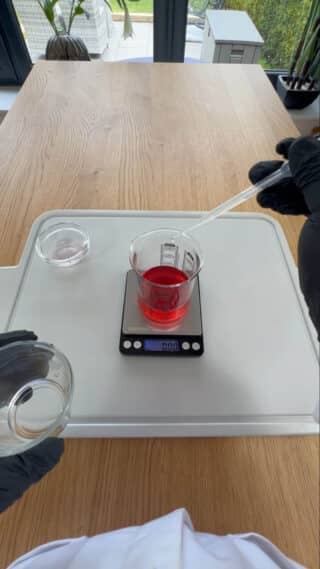
I’ll also be sharing quick ideas, behind-the-scenes bits & simple recipe inspiration.
— all videos under a minute —
Dry Ingredients For A DIY Face Mask

French Green Clay
Green Clay can help to remove all the built-up impurities from our skin. Although it’s suitable for all skin types it’s particularly good for aging skin as it can stimulate circulation to encourage new cell growth.
Green clay also has a tightening effect on the skin, making it feel fresher and more toned after using it, which is great for oily skin.
Rhassoul / Red Moroccan Clay
Rhassoul / Red Moroccan Clay is great for improving the skin’s suppleness. It’s suitable for all skin types including sensitive and dry skin, as it gently removes dirt from the pores whilst cleansing.
Recent research suggests that due to its unusual combination of minerals, Rhassoul clay holds some wonderfully unique healing properties that can clean and reduce puffiness without stripping the skin of its natural oils.
Allantoin Powder
Allantoin Powder is often included in various anti-aging products due to its ability to increase the renewal of dead skin cells whilst increasing moisture for dry skin.
Allantoin is second to none in soothing inflamed skin and helping with damaged areas including eczema patches and rashes.

Liquid Ingredients For A Face Mask Recipe
Green Tea Extract
Green tea extract is an excellent antioxidant, which helps to protect your skin from external environmental pollutants.
Along with being a great little anti-inflammatory, green tea can help stimulate skin cell renewal and reduce the signs of aging.
Glycerine
Glycerine is a great humectant, which means that it will help retain moisture in the skin. Its wonderful moisturizing properties with wrinkles and damaged skin.
Rose Hydrosol
Rose hydrosol has a beautiful calming aroma. It’s mild and gentle on the skin, yet it’s packed full of rejuvenating qualities making it the perfect choice for dry, sensitive, and mature skin.
Chamomile Hydrosol
Chamomile hydrosol is very soothing and is particularly good for aging or dry skin. It can help reduce red or puffiness around the eyes.

Important Note
Clay is extremely difficult to preserve so we’ve chosen to make this face mask recipe up as a two-stage set to be mixed as needed. However, the water part will still need a preservative if you plan on storing it for longer than a week.
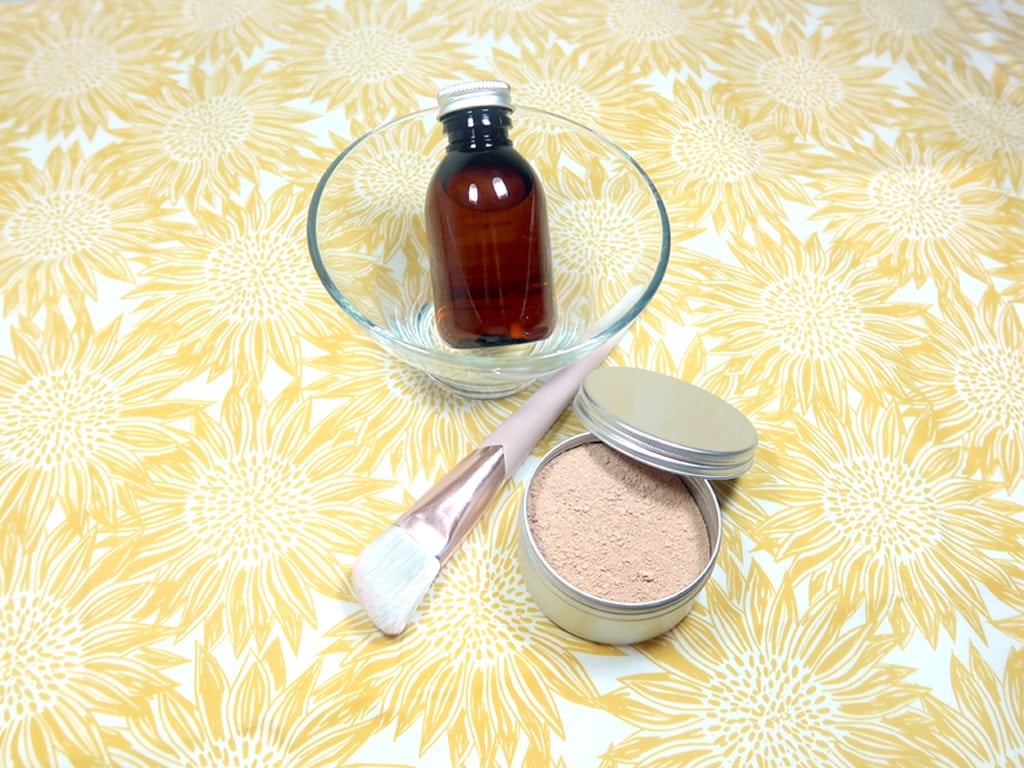
If you plan on using all 4 applications immediately as a pamper session for you and your friends, no preservative is necessary. If you are giving this as a gift you may want to consider adding a small mixing bowl and application brush to make it extra special!
Watch The Video

As an Amazon Associate, I earn from qualifying purchases. If you buy via the links here I may earn a small affiliate commission at no cost to you, please read my affiliate disclosure.
Ingredients
Equipment
Method
- 25 g French Green Clay, 32 g Rhassoul Clay, 1 g Allantoin PowderTo make sure your equipment is sterile, give your containers and utensils a wipe around with rubbing alcohol. Bearing in mind you will need the container that’s going to be holding all the dry ingredients to be completely dry before adding them.Weigh the clays, place them into a small container and mix until they are well combined. Add the Allantoin and mix again before transferring into your prepared sterile jar.


- 24 g Rose Hydrosol, 19 g Chamomile HydrosolWeigh the hydrosols out into a beaker.
- 5 g GlycerineAdd the glycerine.
- 1.5 g Green Tea ExtractAdd the green tea extract and stir until well combined.
- 0.5 g PreservativeMix in the preservative. Keep in mind that if you intend to use up all of the product immediately, you don’t need to add a preservative. I sometimes do this when I have friends round and we all want to try out the DIY face mask.
- Transfer to a clean glass/PET bottle or container.


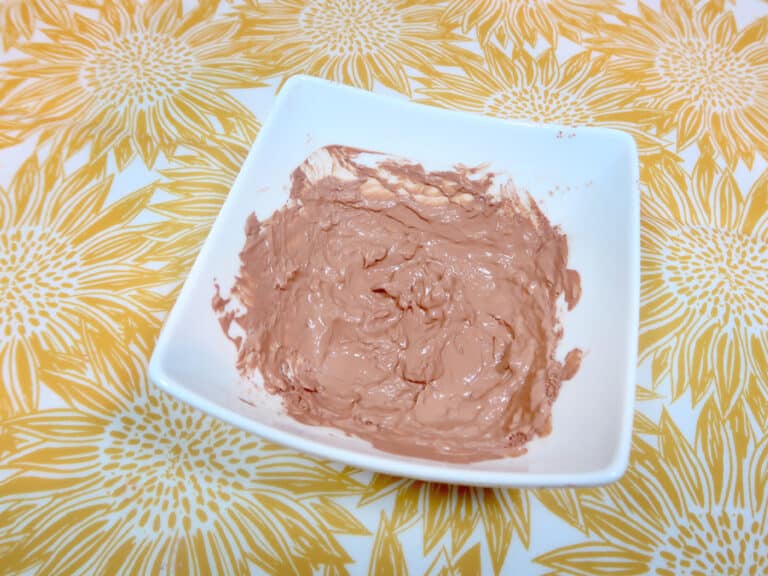
- For one application, take one tablespoon of the dry clay mix and mix it with a little of the hydrosol/tea water until you have a nice creamy consistency.
Notes
New to DIY skincare?
If you’re enjoying making your own products, you might like Radiance, my free email course where I teach the foundations of DIY skincare step by step!How To Use The DIY Face Mask

- For one application, take one tablespoon of the dry clay mix and mix it with a little of the hydrosol/ tea water until you have a nice creamy consistency.
- Apply to your face using a brush or the tips of your fingers, avoiding the eyes and mouth area. Leave to dry (usually around 15 minutes)
- Once the masque has dried there isn’t much benefit to leaving it on any longer as its only active whilst it’s still moist. However, you can prolong it for a few minutes before rinsing, by giving the it a quick spritz with the readymade hydrosol water in the recipe. I’ve added a little extra in the recipe above to allow for this.
- Finally, rinse with warm water, then pat dry with a clean towel.
Final Thoughts
So there we have it, a DIY face mask recipe that will not only leave your skin feeling soft and smooth, but also help renew your skin on a cellular level.
This is such a feel-good product. Even just applying it puts me in a relaxed mood. I just love to cut some little cucumber slices to go on my eyes. It feel like a little spa trip right in my own home.
When I compare this to my other face masks like the first clay face masks I made or the gel masks, I think this might be my new favorite. It’s just so simple to do, and the ingredients are readily available online or at your local beauty supply store.



Do you need to test the pH?
HI Julia,
Not necessary for this one. I don’t ever premix mine, so the liquid and solid are always apart until I want to make a single application. So therefore the only thing to really test would be the hydrosol (which should be fine).
What type of preservative do you recommend? Can I use germall liquid plus?
Hi Julia,
Absolutely you can, it would work great here! I’ve found it’s a little stronger than most, so consider using 0.5% instead of the full 1% (so just half the actual measurement).
Would you recommend sticking with Germall liquid plus or using Optiphen instead?
Hi Julia,
I would stick with the Germall, only because Optiphen isn’t that soluble in water, and the liquid part to this recipe is all water soluble ingredients.