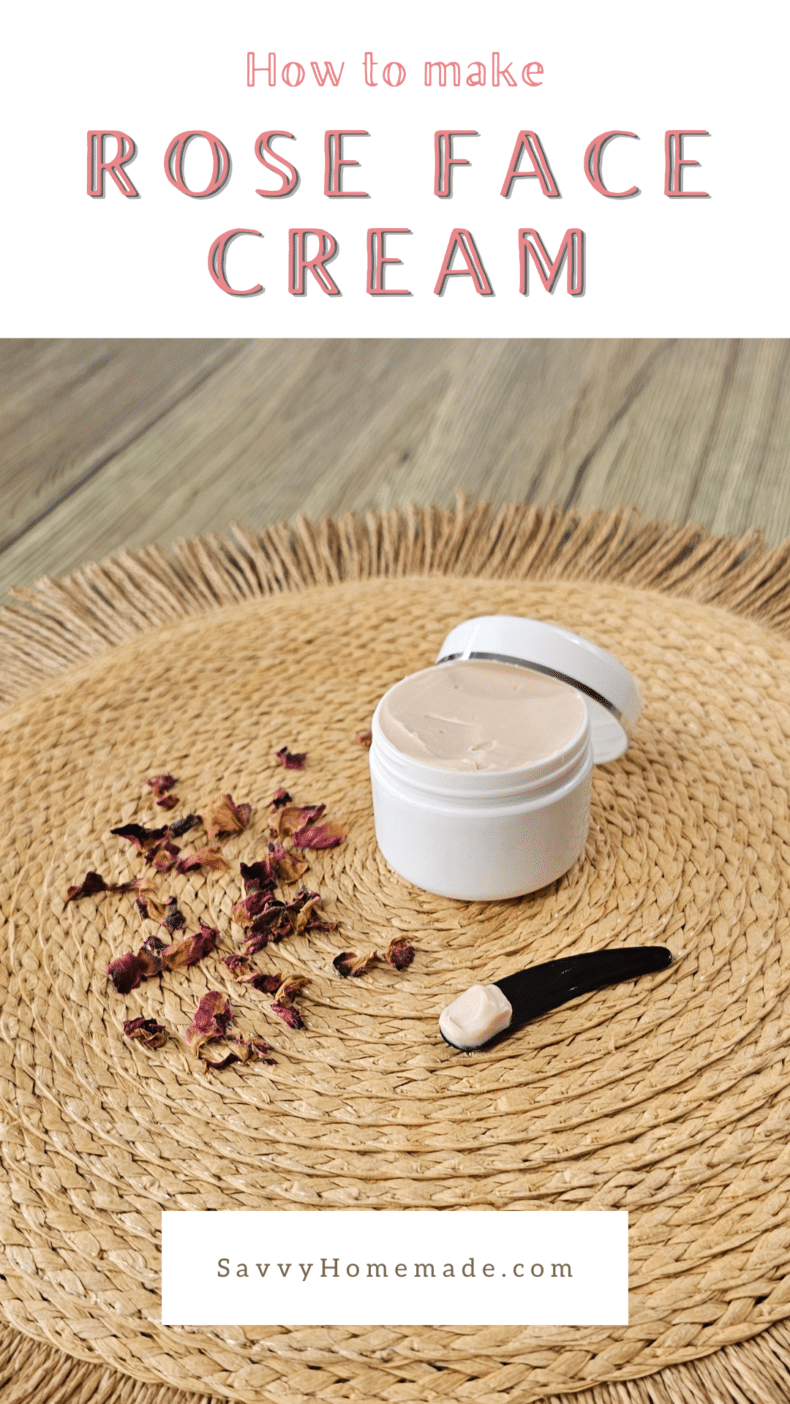
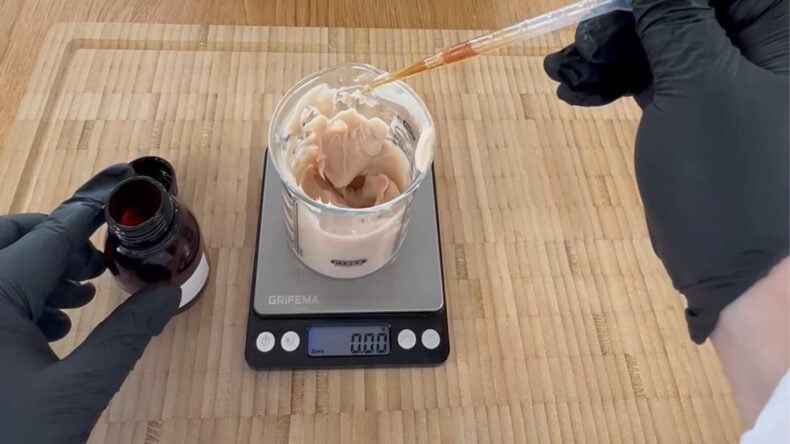
Finding the right moisturizer can feel like a bit of a balancing act. This recipe has been designed with my skin in mind, combination and complex skin (see the video for more info).
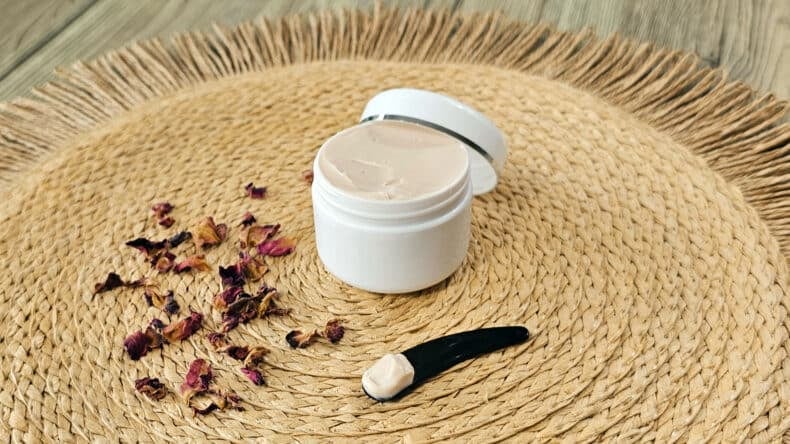
This is a lightweight and fast-absorbing cream that hydrates where I need it and keeps excess oil in check. It combines a soothing rose infusion with lightweight oils and humectants to create a beautifully balanced face cream. The texture is soft and creamy, but it sinks in quickly, leaving skin feeling comfortable rather than too greasy.
Watch The Video
If you’re new to making your own creams, you might also find it helpful to start with our DIY face cream guide, which walks you through the basics before diving into more targeted recipes like this one
Spotlight on the Benefits
- Lightweight cream, that hydrates without feeling heavy.
- Helps balance my combination skin by supporting the dry and oily areas.
- Fast-absorbing formula with no greasy after-feel.
- Made with botanical ingredients including rose infusion and plant oils.
- Provides hydration and moisture for soft comfortable skin.
- Naturally scented with a fresh floral and citrus aroma.
- Suitable for normal, combination and slightly oily skin types.
- A more advanced but rewarding recipe to try.
The Formula
Water phase:
- 70% Herbal Infusion with Rose Petals
- 3% Glycerin
- 1% D Panthenol Powder
Oil phase:
- 6% BTS 25 Emulsifying wax
- 2% Cetyl Alcohol
- 3% Mango Butter
- 7% Argon Oil
- 5% Olive Squalane
Cool Down:
- 1% Vitamin E
- 1% Preservative
- 0.5% Rose Geranium Essential Oil
- 0.5% Bergamot Essential Oil
Formulation Goals
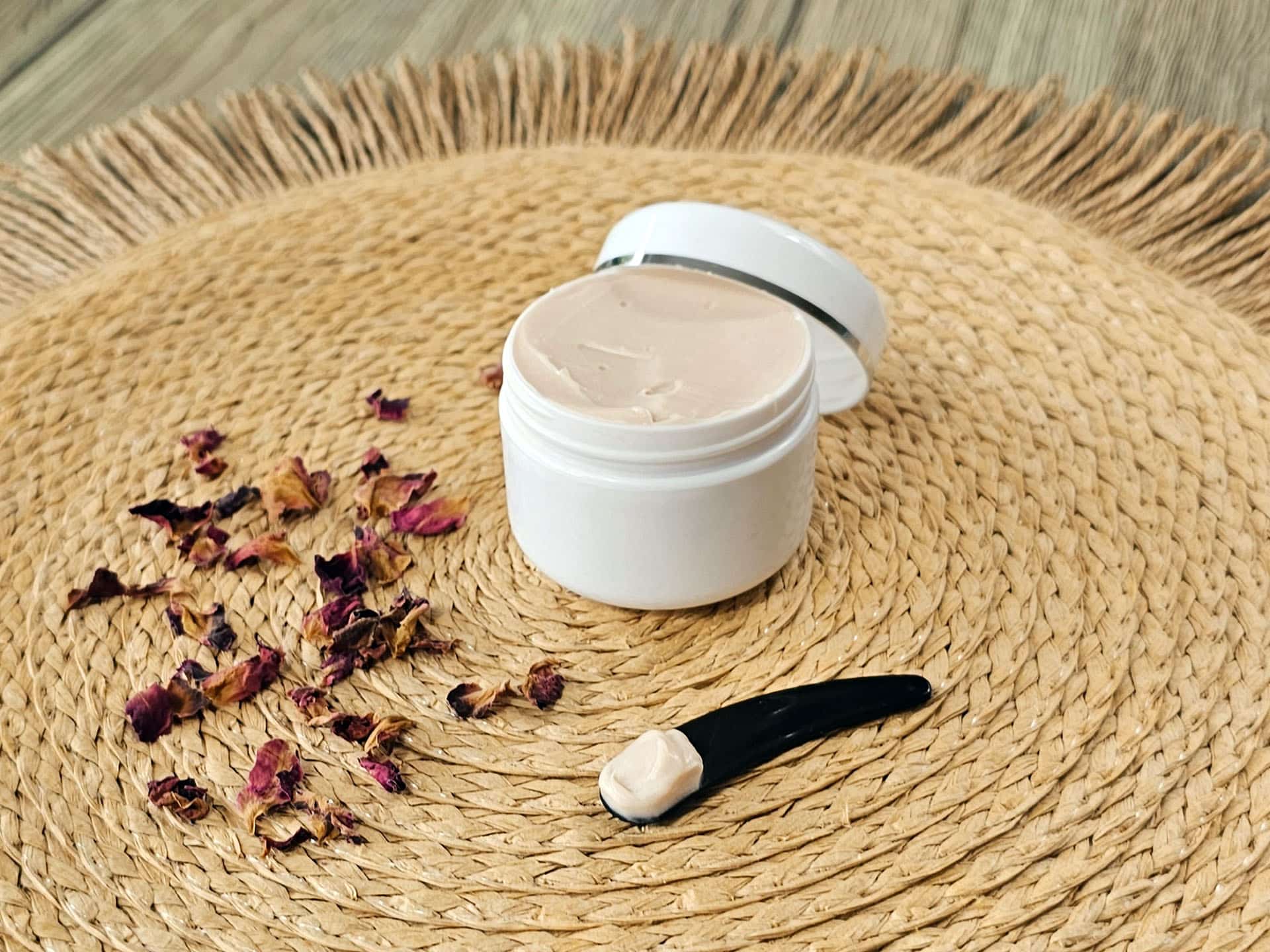
This facial moisturizing emulsion is intended to tackle combination skin types, but is also suitable for those with normal or oily skin. It’s great for balancing oil production. Areas that are too greasy become less so, and dry patches receive proper hydration.
The cream is not too heavy, not at all greasy and is formulated to sink in fast. This avoids any leftover product making the skin feel greasy. The fragrance profile has floral and citrusy notes with a herbaceous backdrop that provides depth. The aroma can elevate ones mood, as well as soothing anxieties. In general, I find it to be very refreshing and clarifying for the mind.

As an Amazon Associate, I earn from qualifying purchases. If you buy via the links here I may earn a small affiliate commission at no cost to you, please read my affiliate disclosure.
Ingredients
Equipment
Method
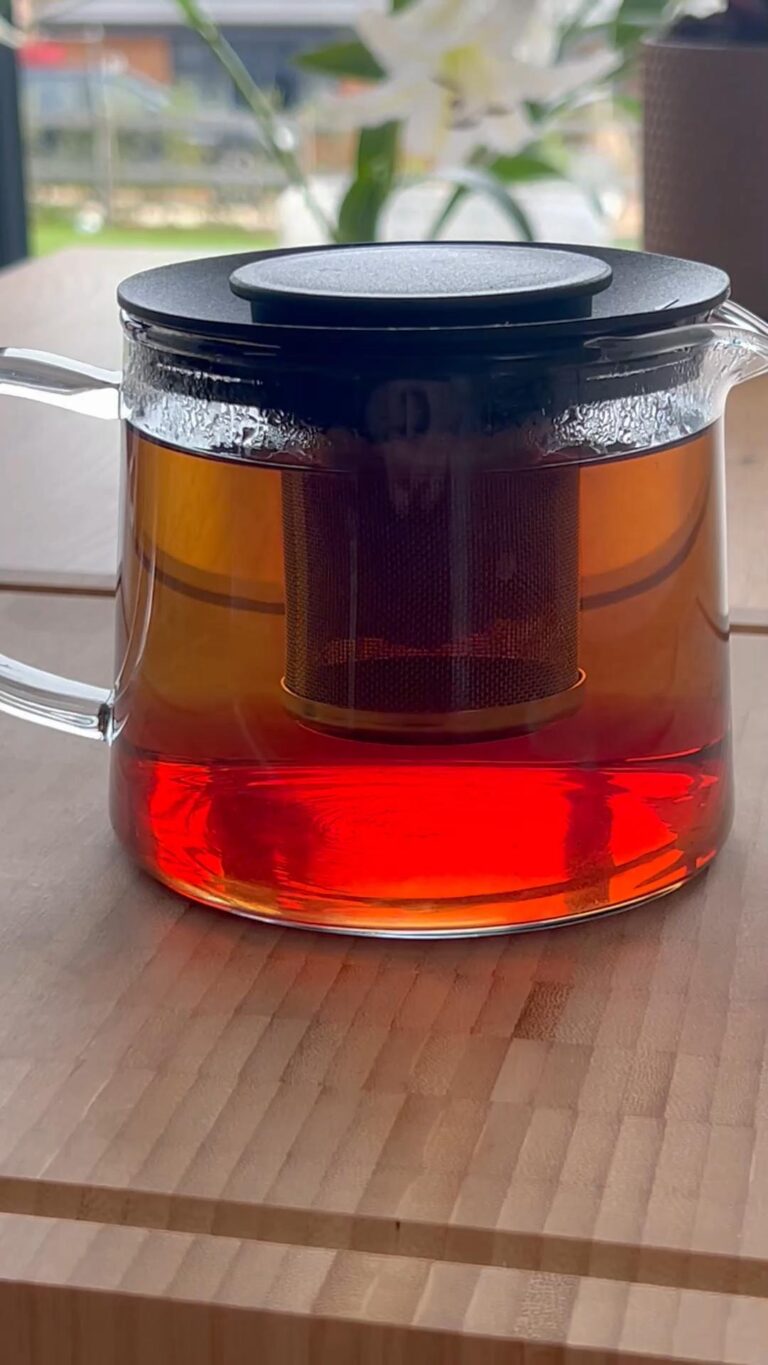
- Begin by making your herbal infusion. To do this, steep dried rose petals in freshly boiled distilled water. To get maximum benefit of your infusion, I like to use my infusion pot, which ensures I have enough petals for my water.If you don’t have one, I would recommend using roughly 3-4 cups of water for ½-1 cup of dried rose petals. Leave your petals to infusion for 45-60 minutes. The longer the better, but the darker your infusion will be.

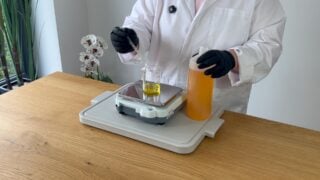
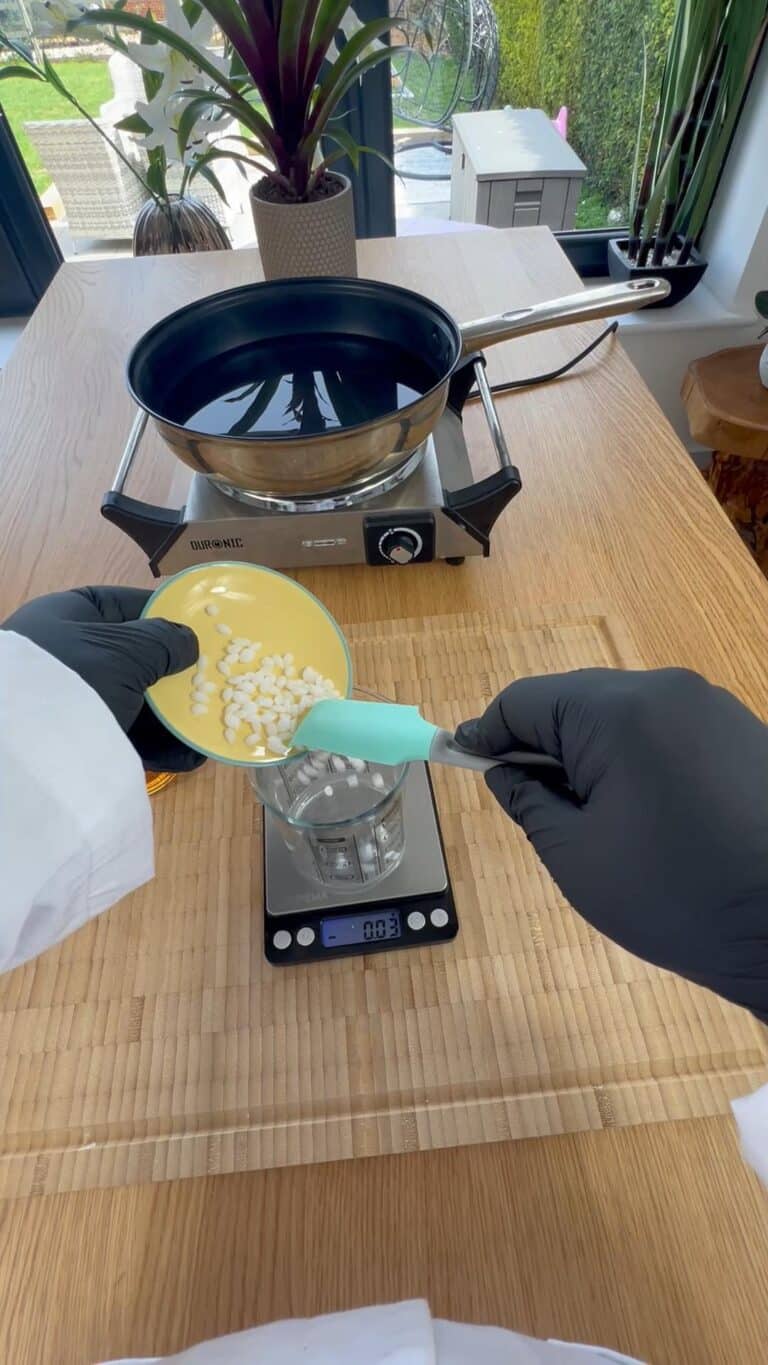
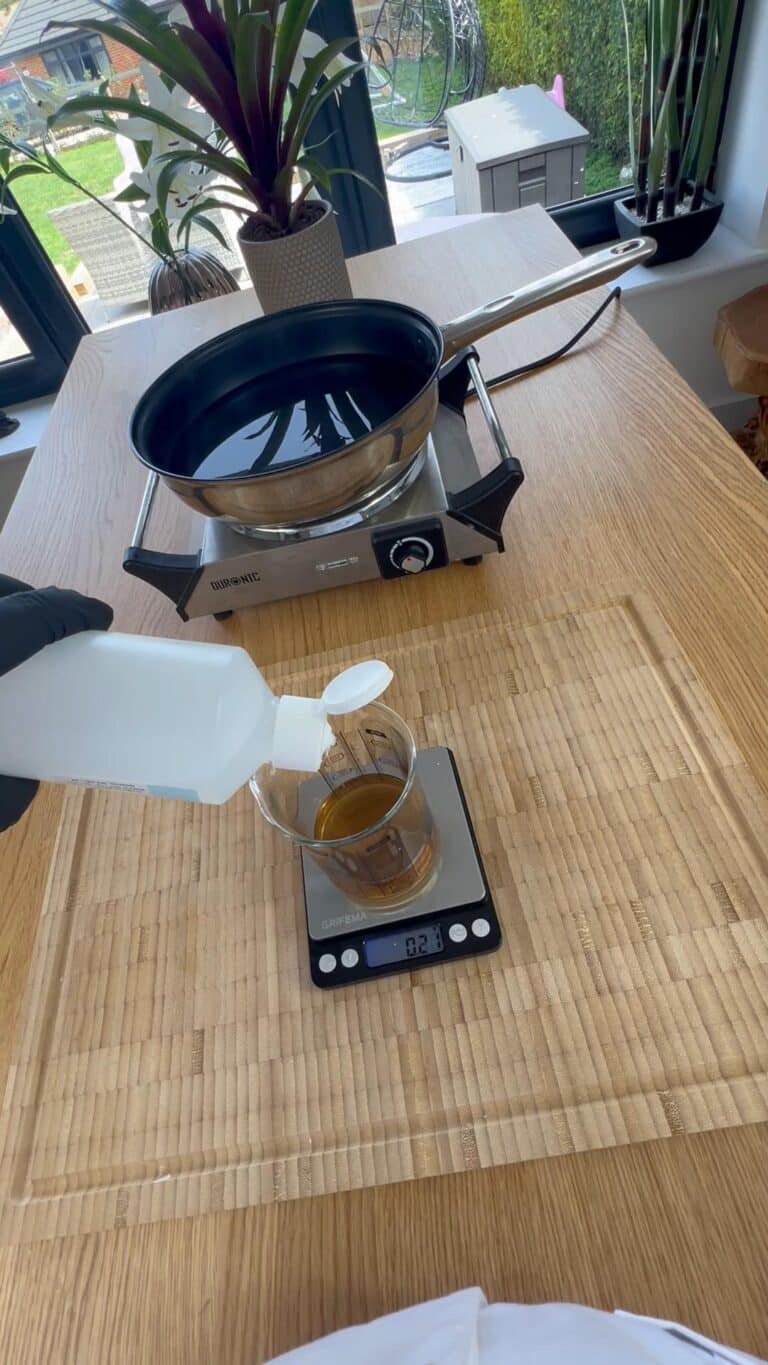
- 7 g Argan Oil, 6 g BTMS-25, 5 g Olive Squalane, 3 g Mango Butter, 2 g Cetyl AlcoholWhile your infusion is infusing, weigh out your oil phase. Your oil phase should include your argan, olive squalane, mango butter, e-wax and cetyl alcohol.
- 70 grams Herbal infusion with rose buds, 3 grams Glycerine, 1 grams D-Panthenol PowderOnce your infusion is ready, you can begin weighing your water part. In a separate beaker, weigh your infusion. Then, add your glycerine and panthenol. If you’ve used a natural e-wax like olivem1000, make sure to mix 1g of a stabiliser (xanthan gum) into your glycerin at this stage. If following my recipe, continue as normal.
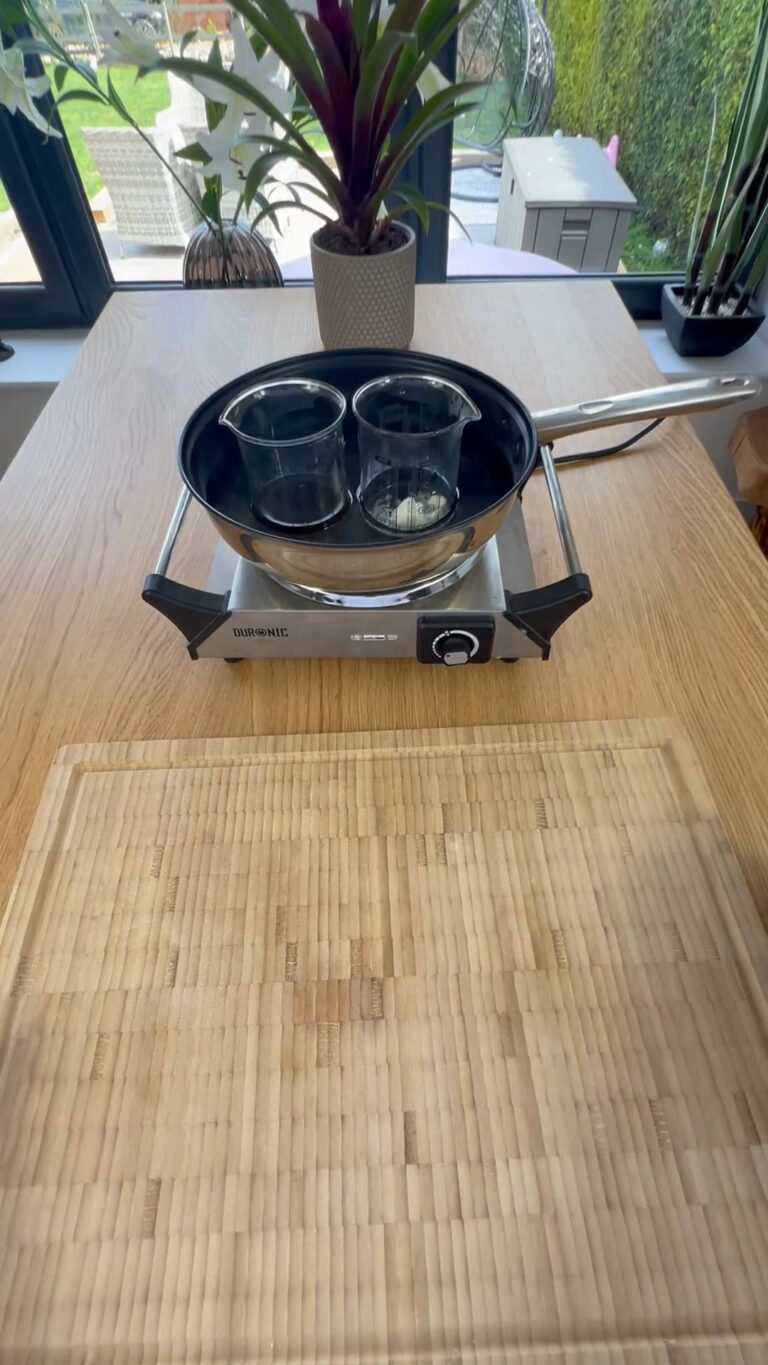
- Now we heat our phases. Lower bother beakers into a waterbath, with the water no hotter than a simmer. Let the oil phase fully melt, making sure the waterbath doesn’t boil.
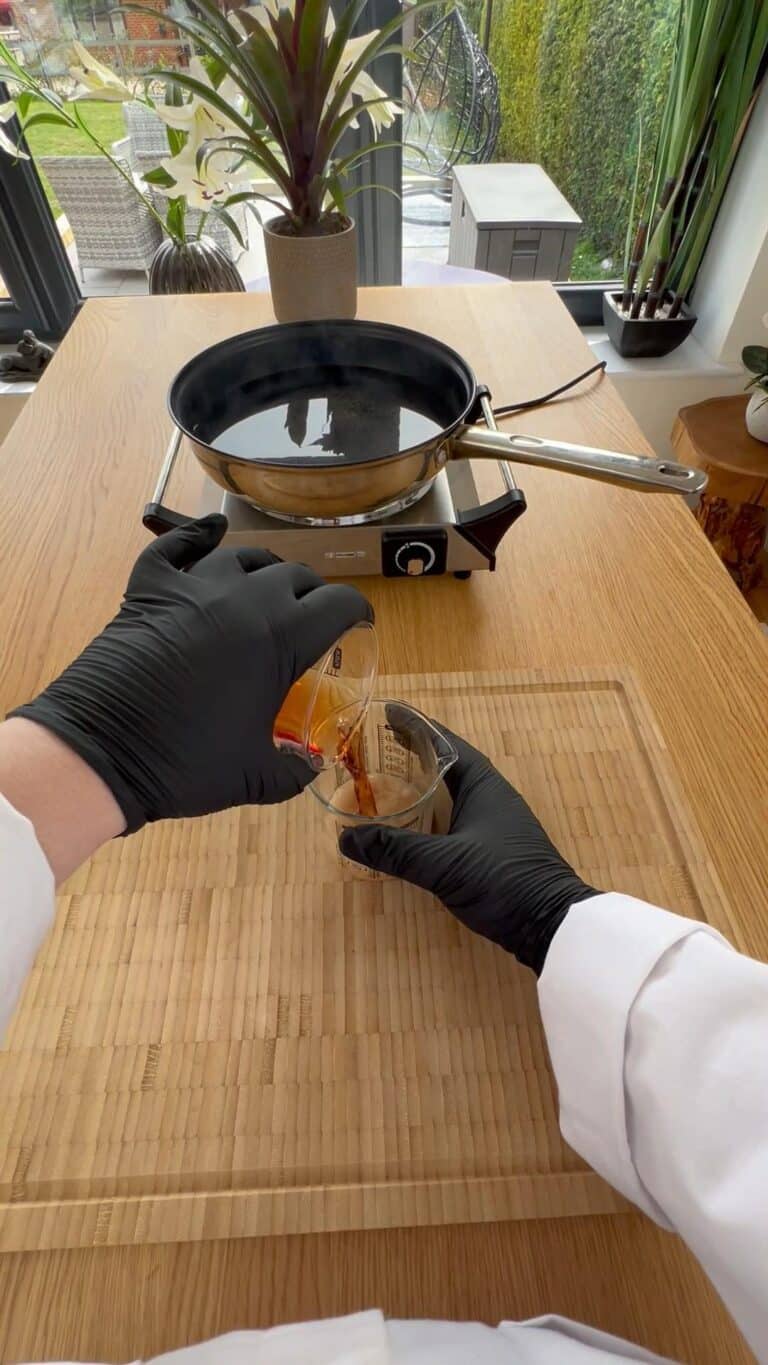
- Once melted, remove both beakers from the water bath. Then, immediately pour the water part into your oil part. Do not wait as you don’t want them to cool.
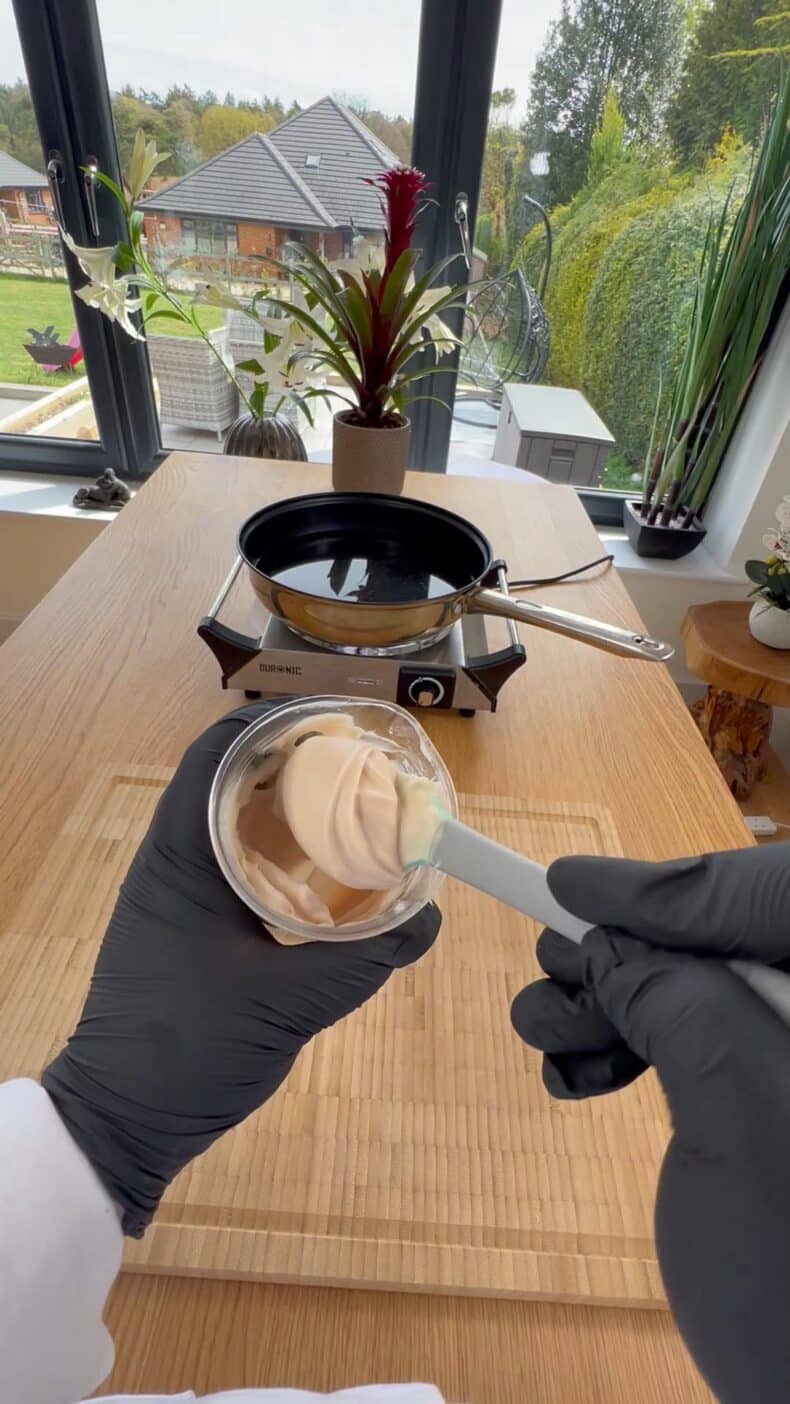
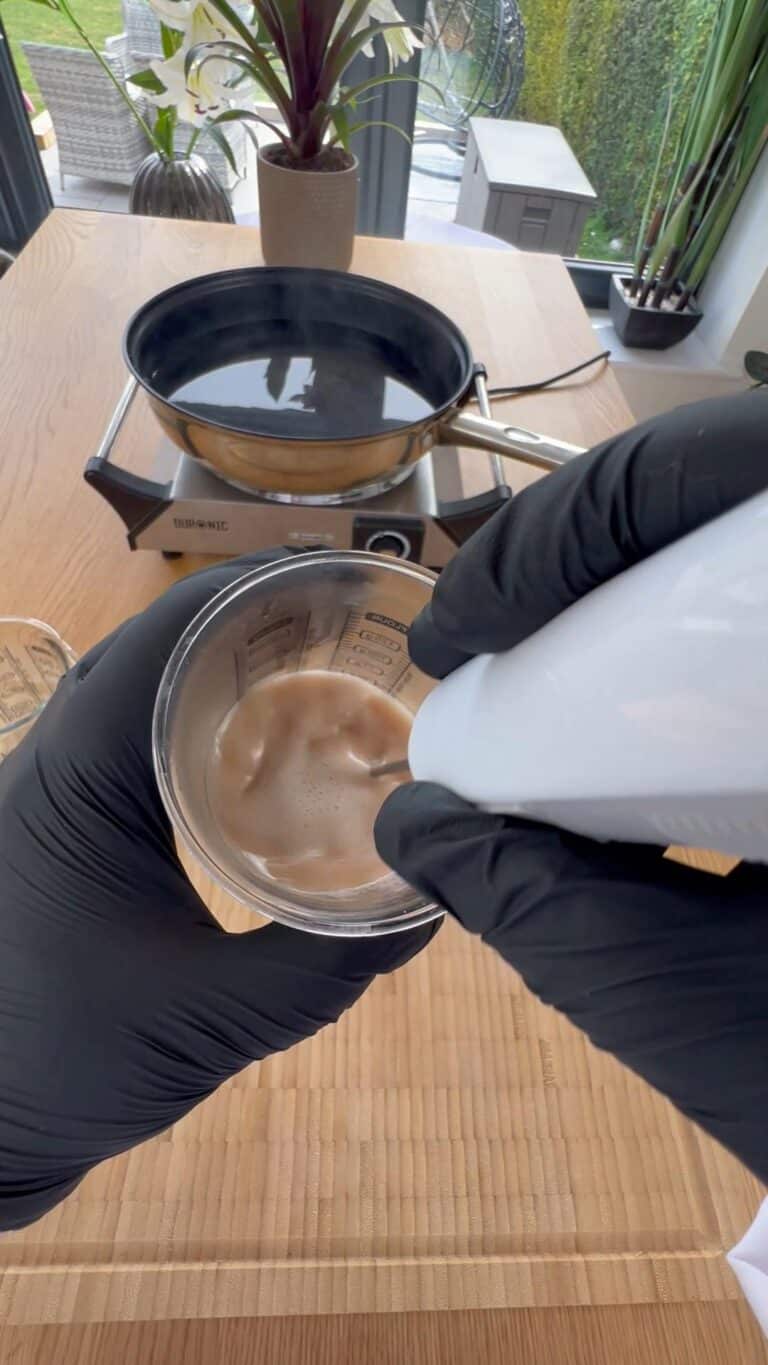
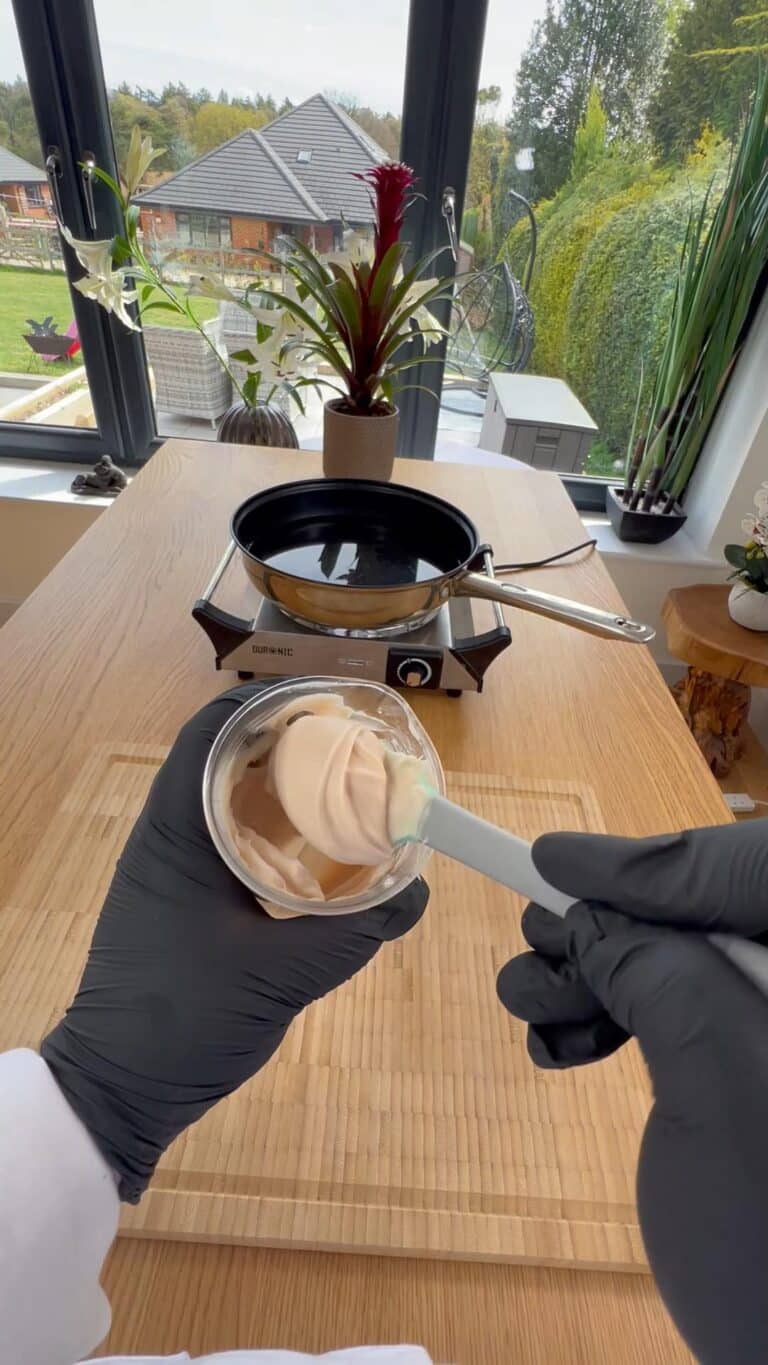
- Using a mini high sheer electric mixer, blend to achieve a smooth emulsion. This will take time, and will also thicken as it cools. I like to blend, then leave for a couple of minutes, before blending again. Once you notice it thickening, switch to a spatula.
- Before we can proceed, we need the mixture to drop to below 104F/40C. This is the ensure the integrity and our cooldown ingredients.
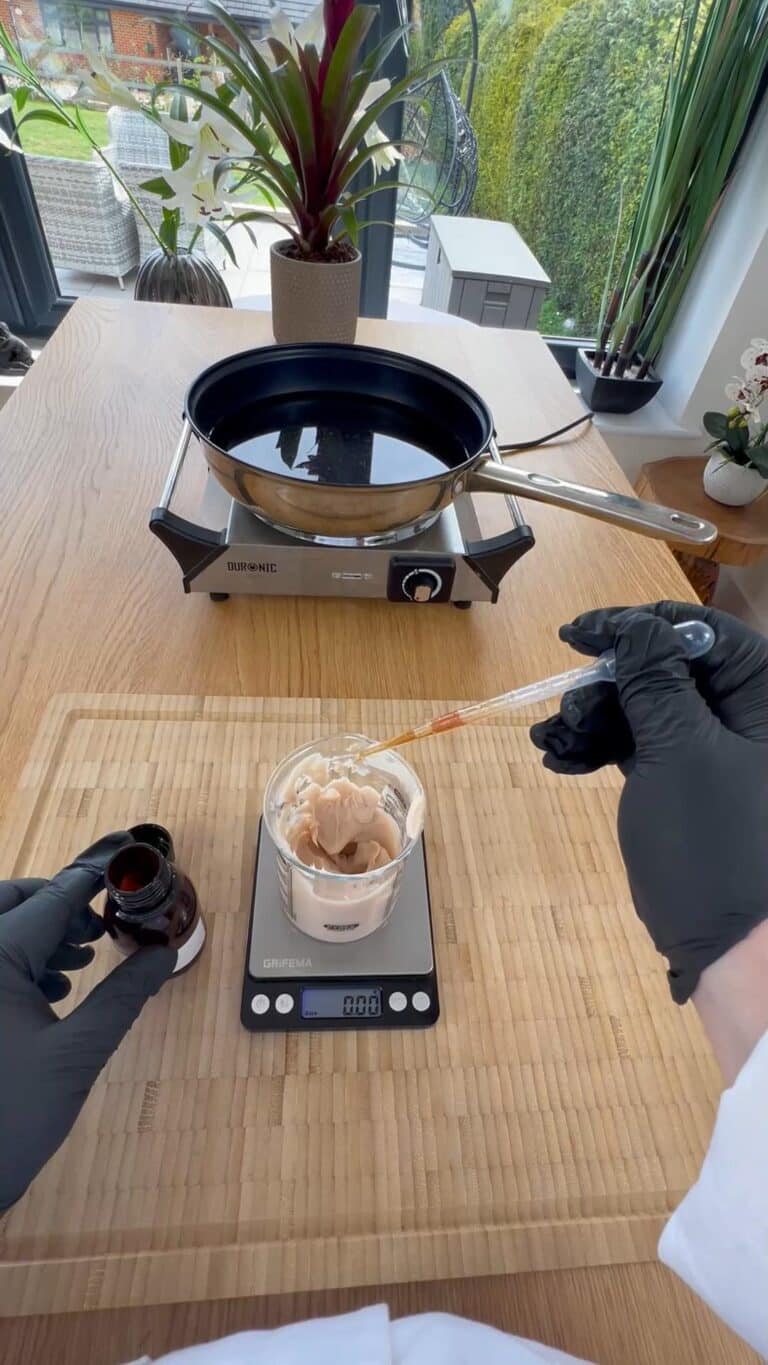
- 1 g Vitamin E Oil, 1 g Preservative, 0.5 g Rose Geranium Essential Oil, 0.5 g Bergamot Essential OilOnce we reach 40C, go ahead and add your cooldown ingredients, to include your vitamin e, preservative and essential oils. Mix after each ingredient, to prevent destabilising the emulsion.
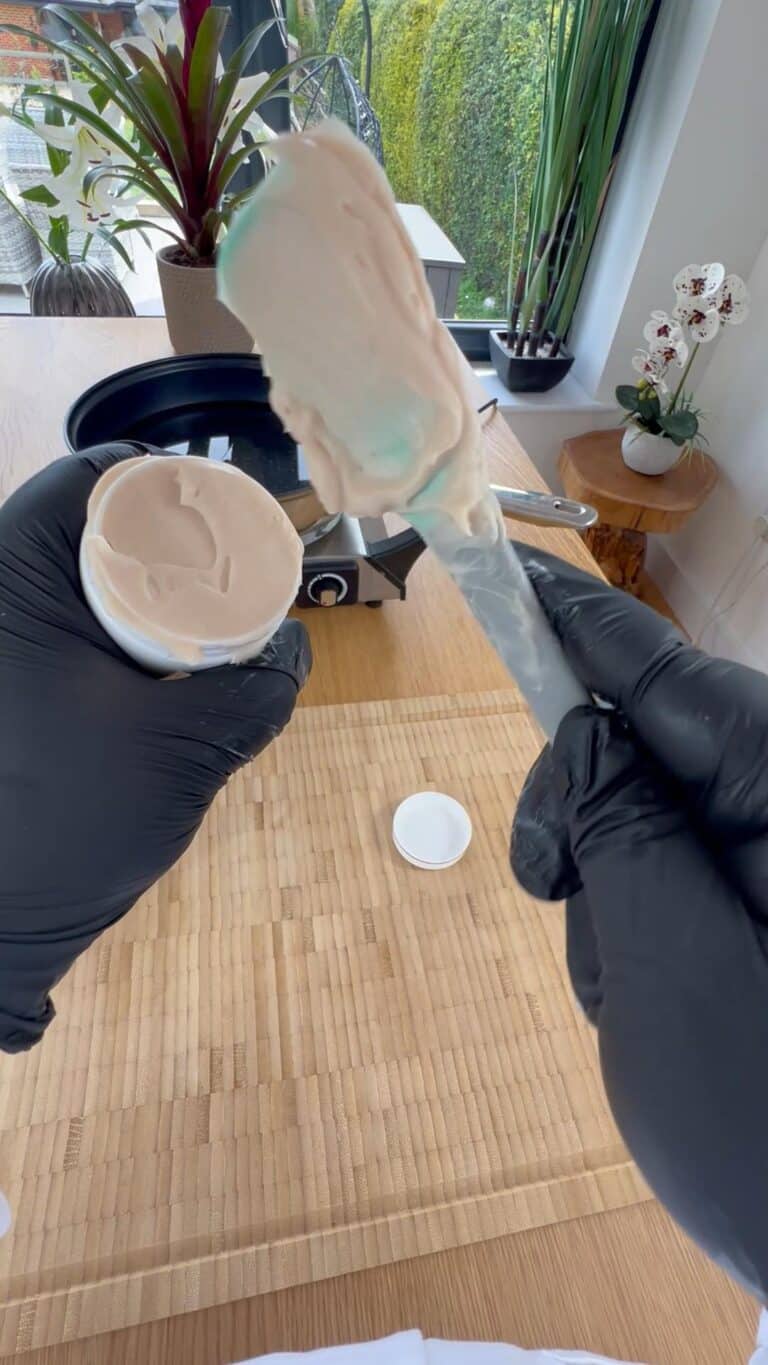
- 1 Cosmetic Jar 4 ozStep 9: Transfer to store, using a container made from glass, aluminum or PET plastic. Use within 6-12 months.
Notes
New to DIY skincare?
If you’re enjoying making your own products, you might like Radiance, my free email course where I teach the foundations of DIY skincare step by step!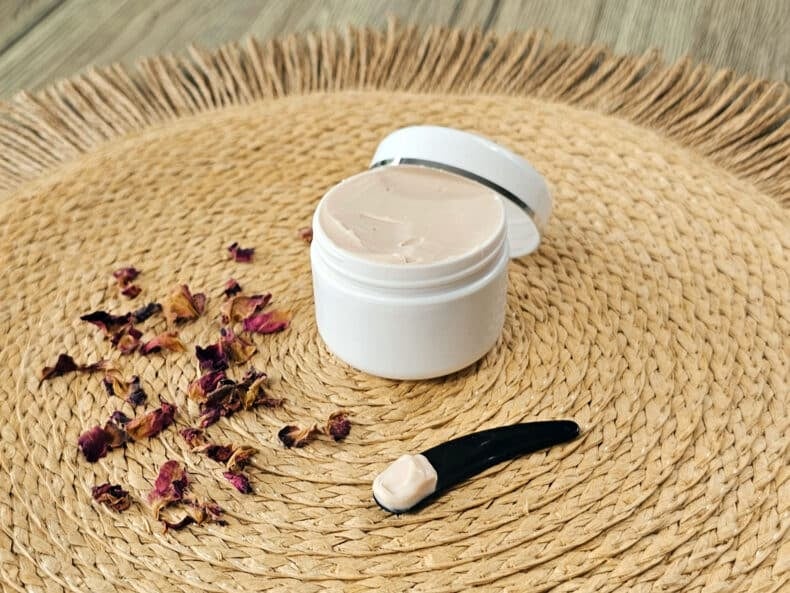
Ingredients Specification and Substitution
Rose Herbal Infusion – Made with dried rose buds. This ingredient is packed with antioxidants to nourish dry skin and help tackle any inflammation associated with greasy skin. Sebum can become trapped in the pores, which can oxidise and cause inflammation. Rose herbal infusion helps to tame this.
However, rose herbal infusion is a dark amber colour. This is because of the concentration of anthocyanins. So be aware that this ingredient characteristic can find its way into finished products. It gives our cream a reddish beige colour, rather than pure white.
Subs: Can be easily subbed for Rose Hydrosol, which will provide many of the same benefits but is clear, meaning wont tint the colour of your product. But can also be subbed for regular distilled water.
Panthenol: A powerful moisturizing humectant. It’s a great way to add more moisturizing power without adding heavy, oil based emollients. In other words, not adding to contributing to the oily parts while also moisturizing those dry patches. Is fully water soluble and can be purchased in either powder or liquid form. We’re using powder, which we recommend. If using liquid, add at cooldown phase instead of as part of the water phase.
Subs: No great sub, but could use hyaluronic acid instead. This isn’t as good at moisturizing, but would add some temporary anti-aging benefit (plumping our fine lines and wrinkles). For me, I would rather keep the panthenol or just sub for more glycerine.
Argan Oil: A great ‘restoring’ oil. Helps to promote elasticity, but also intensely hydrating without being comedegenic (great for moisturising dry patches without clogged those oily areas).
Subs: Again, nothing work quite like Argan, but you can get away with subbing for sweet almond oil instead. Its a light weight, fast absorbing oil. Like many oils, it also helps to ‘dissolve’ the sebum in our pores to prevent clogging.
Olive Squalane: A wonderful carrier oil that mimics the natural oils of our skin. Is absorbed by the skin very quickly, and helps to draw other ingredients with it, preventing a greasy feel after application. It’s great for softening the skin, too.
Subs: No great natural substitution. You could try to use eco silk, or if natural skin care is not a concern you could add dimethicone for similar benefit.
Mango Butter: Arguably the least comedogenic of all the cosmetic butters, mango is lightweight and fast to absorb. Its a fantastic emollient, though, and will really help tackle those dry patches. If you suffer from very oily or acne prone skin, the concentrations I’ve suggested should be fine. But if you find it a little too much or you have a breakout, you can reduce the amount or omit.
Subs: No great sub here for a combination skin type, but can be subbed for Shea for normal skin types. If trying to reduce proreclogging potential, just replace with more argan or even up your water part, but your product will be a little thinner in consistency.
Emulsifying system: I’ve used BTMS-25 with cetyl alcohol. This is not a natural emulsifying system, but sits within my formulation ethos.
Subs: If you prefer all natural formulations, then consider using olivem1000. It won’t have as good conditioning power, but will still work great. I would, however, make use of a stabiliser as sometimes formulations with olivem1000 can split over time. 1 gram of xanthan gum, mixed well into your glycerine before adding to your water part, will do the trick. The cetyl alcohol is optional, and can be subbed for cetearyl alcohol if you prefer. Both will help add body to the cream without any extra weight.
Preservation and Antioxidant: The preservative system I’ve opted for is Preservative Eco (Geogrard ECT), although any broad spectrum preservative will be fine. Vitamin E will help to slow down oxidation of our oils, as it’s rich in stabilising antioxidants. However, vitamin e must be used in conjunction with a preservative, not instead of one.
A preservative is essential for preventing microbial growth An antioxidant slows down the process of oxidation. These are different things that both contribute to product shelf life. Its not a choice between them, they are both essential.
Subs: Saliguard/Plantaserve P or would be good choice too, but isn’t a natural preservative system like the one I’m using. Vitamin e could be subbed for Rosemary Co2 Extract if you wish, but may impact the product scent profile.
Essential Oils: I’m using a blend of Rose Geranium and Bergamot. Not only does rose geranium fit my rose theme, but it also helps to balance oil production in the skin. It’s also packed full of antioxidants. Bergamot shares this benefits, so both can work together to tame oily zones and tackle dry patches. They also have a beautiful aroma together.
Subs: You could just use one or the other, but together they are powerful and synergise for benefit. If you’re sensitive to strong aromas, consider reducing the contraction by half. You could also omit them altogether, but this cream would not be complete without at least one of them.
Final Thoughts
This rose face cream recipe is a lovely example of how good formulation can bring a balance to your skin.
By combining lightweight oils like argan and squalane, with some hydrating ingredients like glycerin and panthenol, you get a cream that feels very nourishing and refreshing. The rose infusion and essential oil blend adds that extra botanical touch, making it enjoyable to use and more effective.
It’s also a great step forward if you’ve already tried a basic cream and want to explore something a thats more tailored. With a few small adjustments, you can easily personalise this cream to suit your own skin.
A beautifully balanced cream that hydrates, softens, and leaves your skin feeling calm, fresh and comfortable.