Two Lovely Solid Perfume Recipes To Make At Home
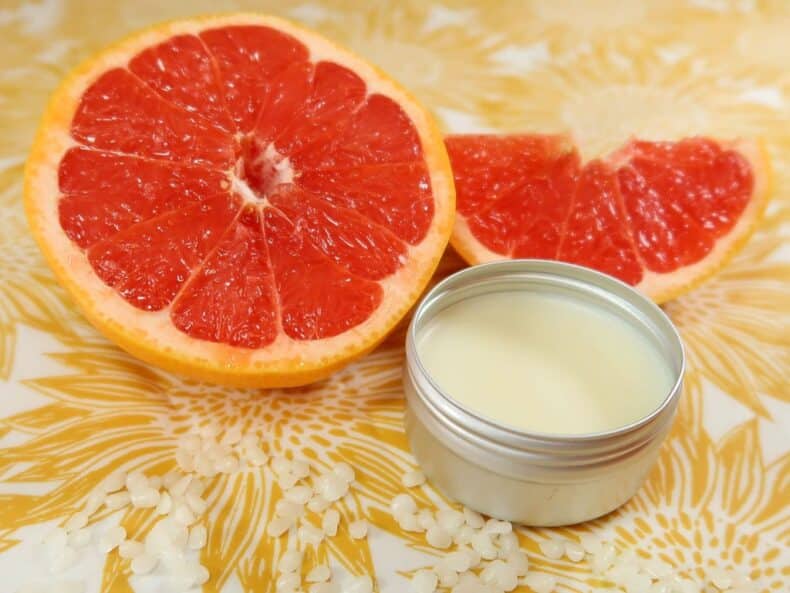
Here’s how to make solid perfume the easy way. It will have all of the natural benefits of your chosen oils, lasts way longer, and is less oppressive for those around you.
 Angela Wills
Here’s how to make solid perfume the easy way. It will have all of the natural benefits of your chosen oils, lasts way longer, and is less oppressive for those around you.
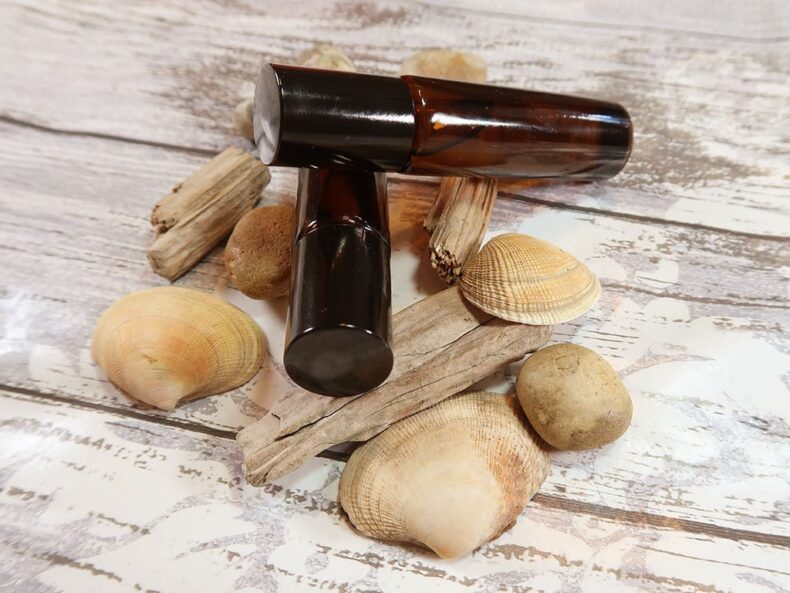
This week, I set about trying to make perfume without alcohol. A roll on essential oil perfume recipe, to be exact, one that is made purely from natural oils.

I just love how these oatmeal bath bombs look and smell. Oats are excellent for the skin and their addition here makes for a superb soothing moisturizing bath soak. Plus, it brings an interesting alternative to your standard bath bomb recipe.
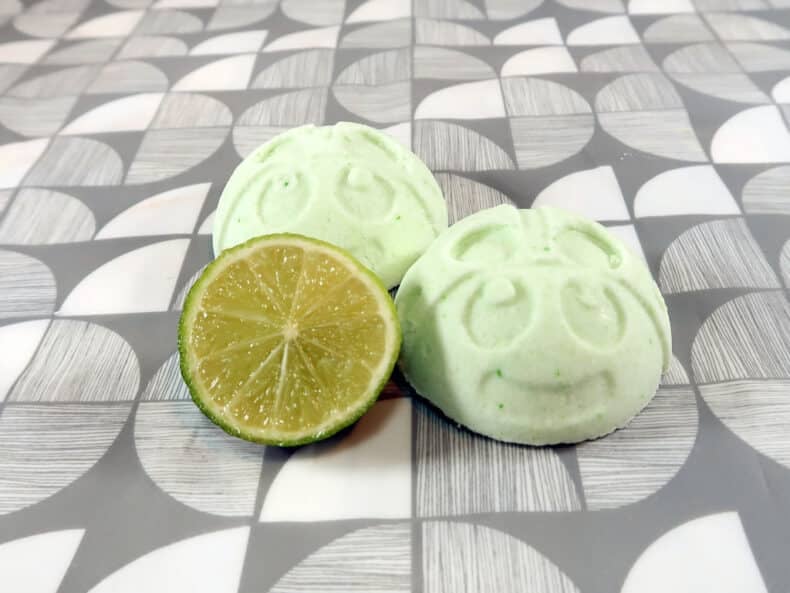
A shea butter bath bomb recipe that can fully emulsify into the bath without using polysorbate 80. Wax emulsifier also provides extra skin conditioning goodness. and it also makes the bath bomb harder, which is never a bad thing.
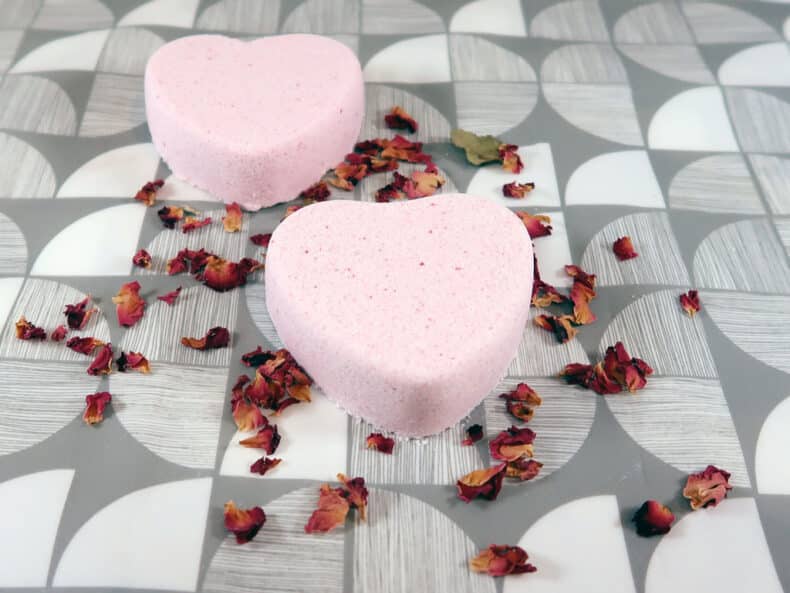
I just love this bath bomb. The fizzing and the bubbles are such a wonderful combination. It really does feel like magic, sometimes!

If you are looking for something unique try making homemade gifts in a jar. I’ve made five recipes to show you what’s possible and provide a little inspiration.
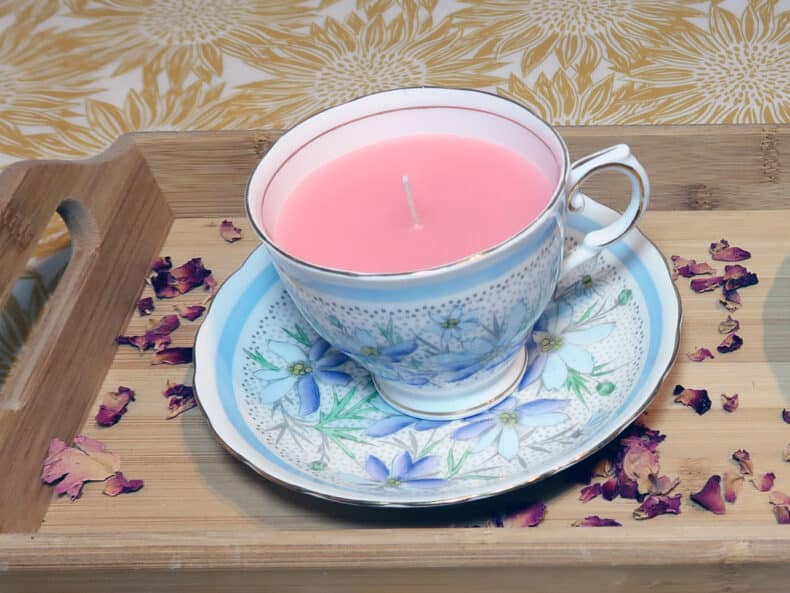
As a dedicated candle crafter, I am always looking for fun and unique ideas for molds and containers. The idea of DIY teacup candles came after a grown-up’s afternoon tea party at my mom’s house.
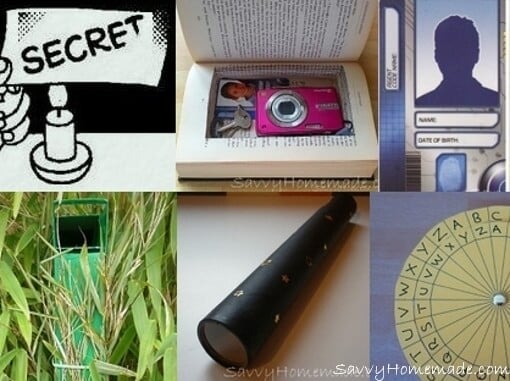
Want to become a spy or special agent, catching bad guys and solving clues. This means you will need some homemade spy gear gadgets to keep you ahead of the game.
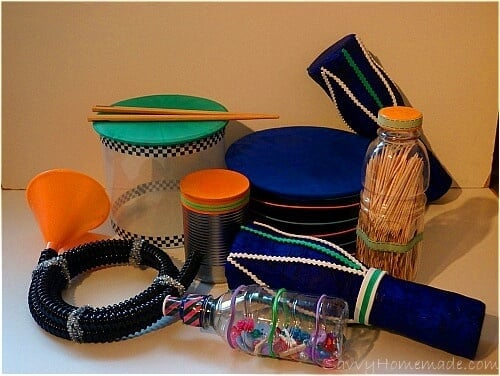
Some of the homemade musical instruments created with the kids, it’s such a fun way to experiment with sound. French horn, drums, maracas, and visual bottles.
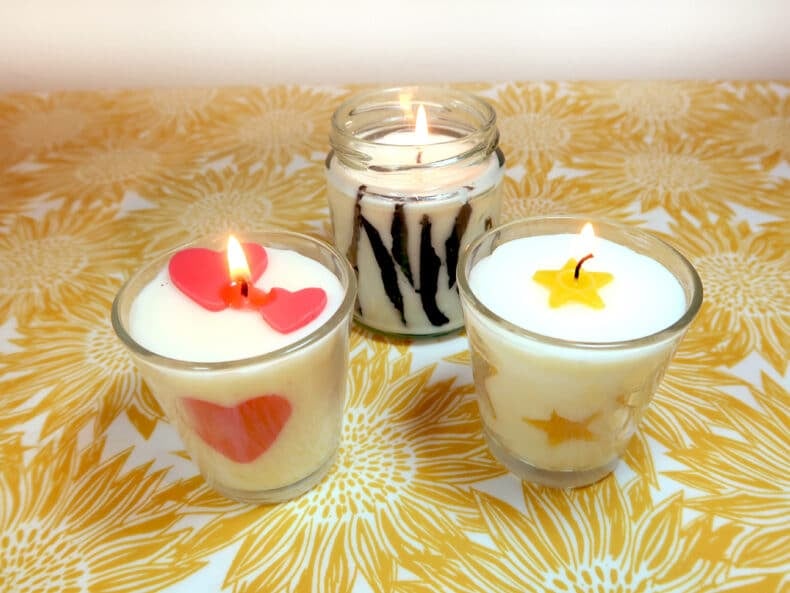
Learn how to make container candles with soy and beeswax. A simple guide to creating beautiful scented candles in glass jars at home.
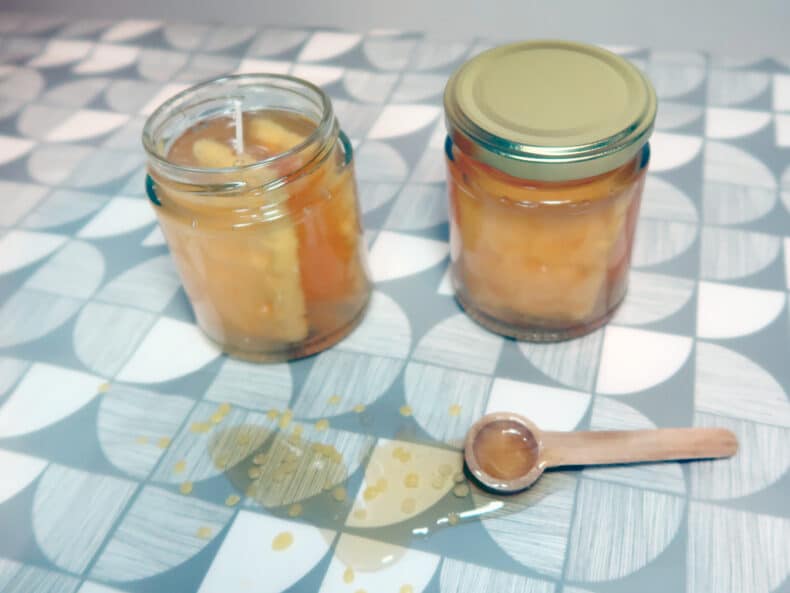
Ever bought super fancy honey before? You know, the stuff that actually comes with a bit of honeycomb in it? Well, that’s exactly what I was going for in this DIY honey candle!
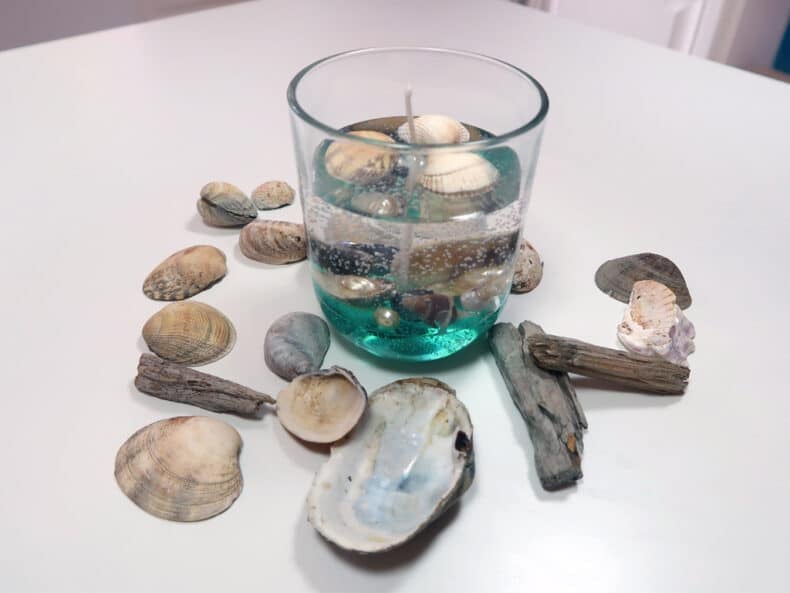
Ever wondered how to make gel candles with embeds? I used shells and pearls to create this cute underwater scene. Today I’m sharing all the steps I took to achieve this look.
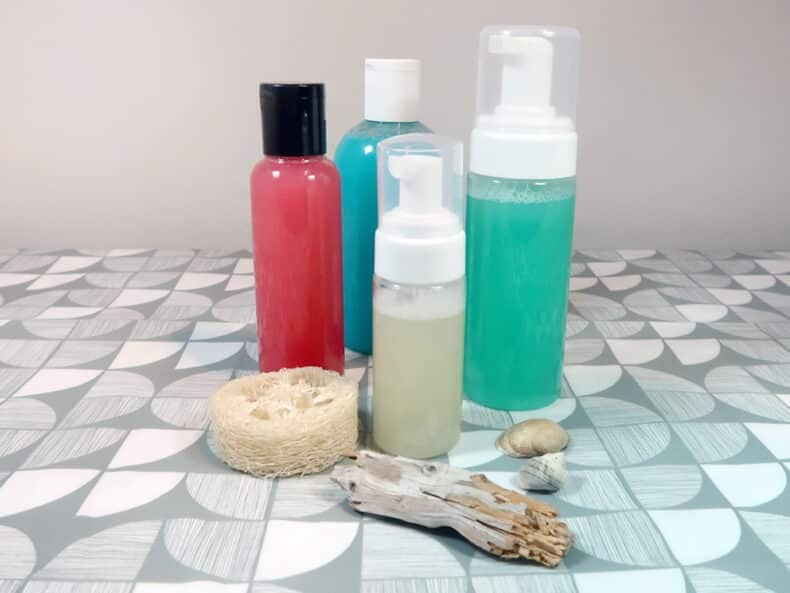
I’ve made a lot of liquid castile soap recently. So much that I have to keep it in a big bottle. But this is a good thing because once you have made your liquid soap base, there are lots of cool and interesting things you can do with it. DIY hand soap, face wash, shampoo and more.
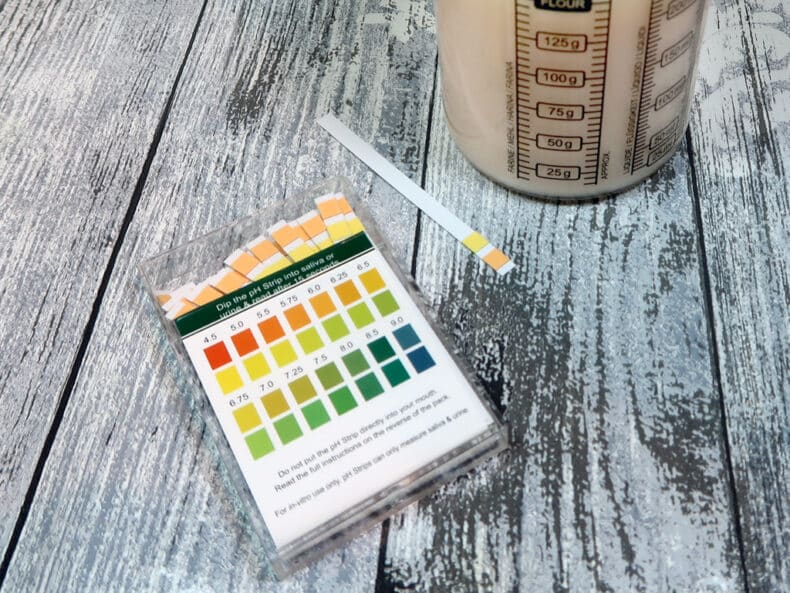
Trying to PH balance soap can be a tricky business, but if you have the right tools and knowledge at your disposal you shouldn’t have too much trouble. I’m going to outline exactly what PH is, why it is important for soap makers.
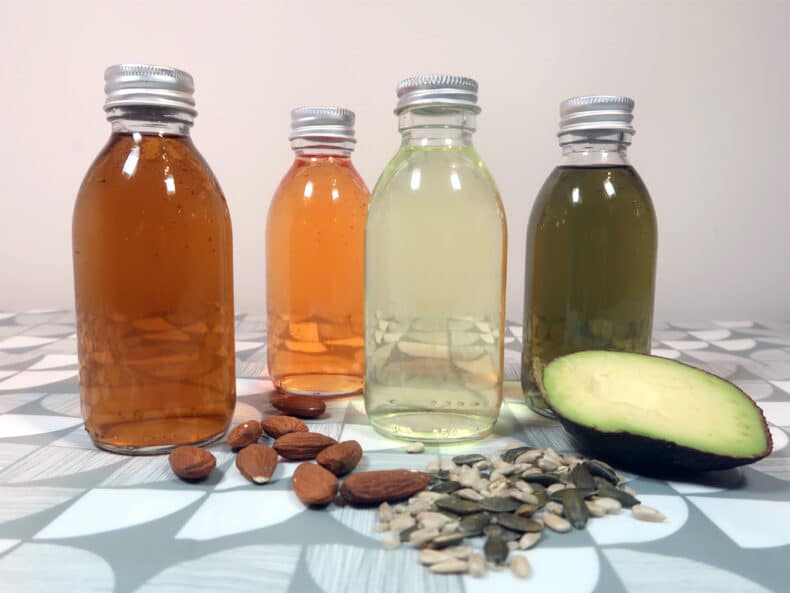
Learn how to make DIY body oil with essential oils. This simple recipe hydrates deeply, softens skin, and gives a natural, radiant glow.